
That gurgling sound coming from your toilet isn’t something to ignore. It might seem like a minor annoyance — a strange noise when you run the shower or flush — but in many Blackpool properties, it’s the drain system sending you a very clear warning. Here’s what it means, why it matters, and when you need to act fast.
Common Causes of Trapped Air Pockets vs. Pre-Blockage Symptoms
Not every gurgle means disaster. Sometimes the cause is relatively simple — but knowing the difference between a trapped air pocket and a developing blockage could save you from a very unpleasant and expensive overflow.
Trapped air pockets occur when air gets pushed through your drain system rather than water flowing freely. This typically happens when:
- A partial blockage forces water and air to compete for the same space
- Your drain vent pipe is blocked or incorrectly fitted, preventing proper air pressure regulation
- A drain has dried out, allowing sewer gases to push back up through the system
The gurgling you hear is essentially air being forced through water — like blowing through a straw into a glass. On its own, an isolated air pocket is usually a minor fix. The problem is knowing whether that’s actually what you’re dealing with.
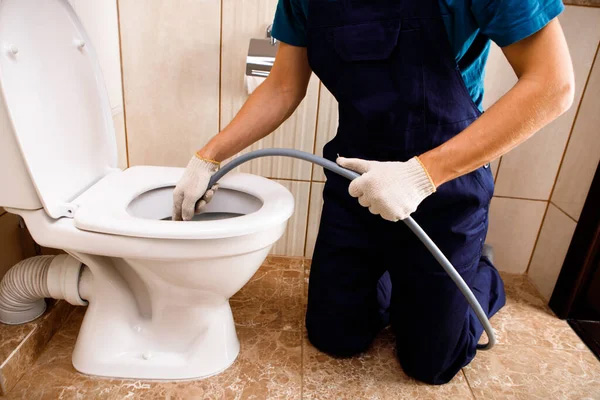
Understanding your drain system helps identify whether gurgling is minor or a sign of something serious.
Pre-blockage symptoms are different. The gurgling is more persistent, often occurs across multiple fixtures simultaneously, and tends to get worse over time rather than staying consistent. Key warning signs to watch for:
- Your toilet gurgles every time the shower or bath drains
- The gurgling happens when a washing machine empties
- Slow drainage across more than one fixture in the house
- A faint sewage smell accompanying the sound
- Water briefly rising in the toilet bowl before settling
According to United Utilities — who manage the sewer network across the North West — gurgling sounds across multiple fixtures are one of the clearest early indicators of a developing sewer line blockage.
Why Gurgling Drains in Older Blackpool Properties (FY1/FY3) Often Signal Main Sewer Line Issues
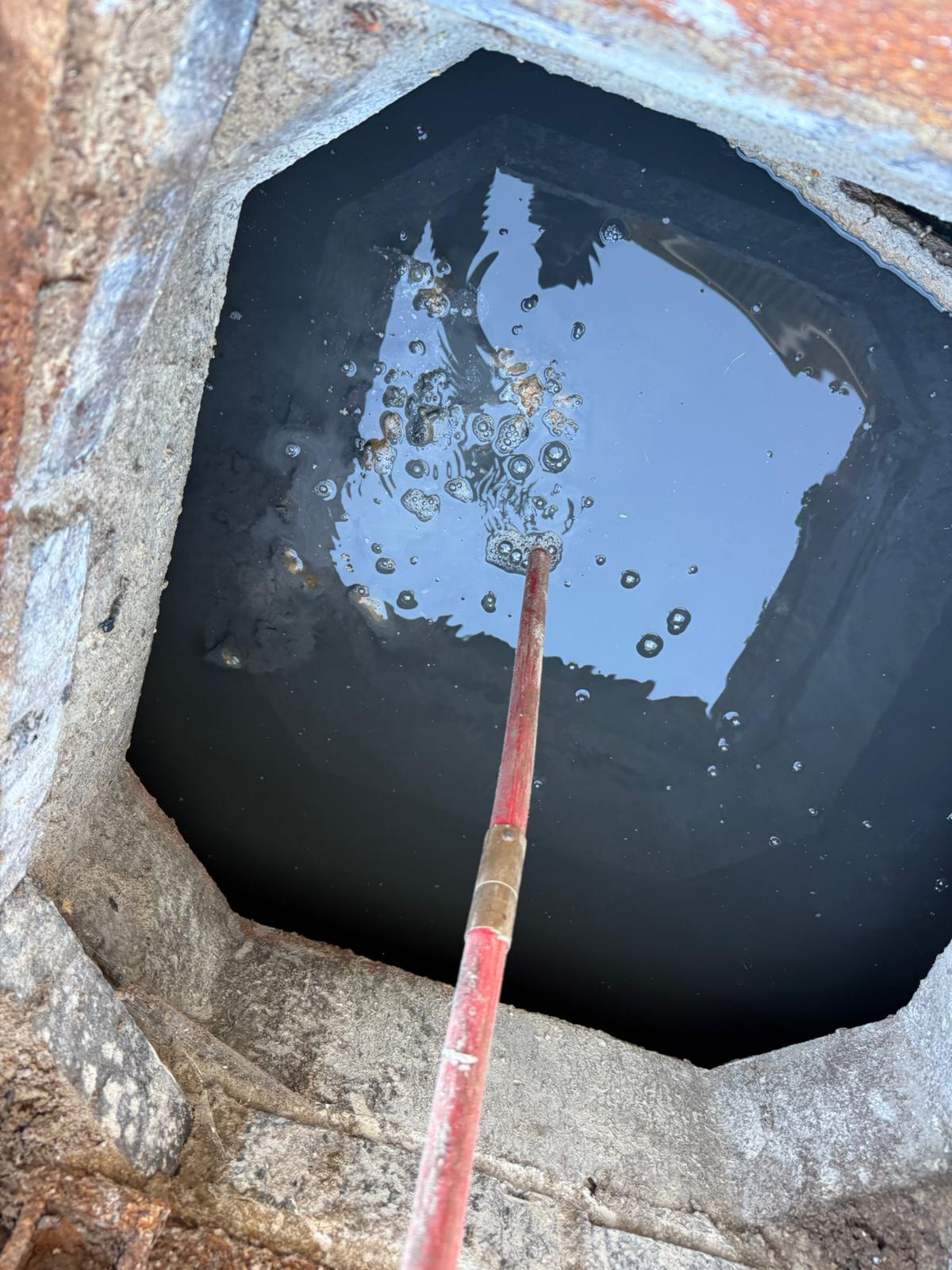
Much of FY1 and FY3 consists of Victorian terraces — properties with drain systems over 100 years old.
Blackpool’s housing stock is one of the oldest in the North West. Much of FY1 and FY3 — including areas around the town centre, North Shore and Layton — consists of Victorian and Edwardian terraced properties with original clay drain systems built over 100 years ago. These were never designed for modern water usage levels.
This matters for a few specific reasons:
Root ingress is extremely common
Older clay pipes develop hairline cracks over decades. Tree roots — even from small garden shrubs — find these cracks and grow into the pipe, gradually narrowing the bore until water can barely pass. The gurgling you hear is often water struggling past a partial root obstruction. Our specialist root removal service deals with this regularly across FY postcodes.
Pipe scale and fat deposits build up faster
Older, rougher pipe surfaces attract grease, limescale and debris far more readily than modern smooth-bore plastic pipework. What starts as a slow build-up becomes a near-complete blockage surprisingly quickly, particularly in properties with heavy kitchen use. Our fat and grease removal service is one of the most requested across Blackpool’s terraced streets.
Shared drain runs are more common
Many older Blackpool terraces share a common drain run beneath the rear yard. A blockage in a neighbouring property’s section of that shared drain will cause gurgling — and eventually backup — in your home, even though the problem isn’t on your property. The Health & Safety Executive has guidance on shared drain responsibilities that’s worth understanding as a Blackpool homeowner.
Collapsed sections are not unusual
Ground movement over a century, combined with the weight of vehicles on back alleys and roads above drain runs, means partial collapses in older Blackpool drain systems are more common than people realise. A gurgling toilet in an FY1 or FY3 property that can’t be resolved by rodding alone often has a structural issue further down the line. This is exactly why a CCTV drain survey is so valuable — rodding can clear a blockage temporarily, but if the underlying cause is root ingress or a partial collapse, it will simply block again within weeks.
The Dangers of Ignoring the Warning Signs: Predicting a Full Overflow
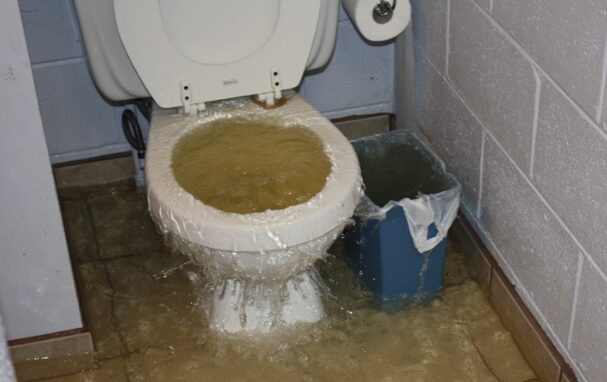
Professional CCTV inspection identifies the root cause before a gurgle becomes a full overflow.
The gurgling toilet is rarely the end of the story. Left unaddressed, what starts as an irritating noise almost always progresses through a predictable sequence of events. Understanding where you are in this progression matters — because the gap between stage one and stage four can be as little as 24 to 48 hours.
In older Blackpool properties where the pipe bore is already narrowed by decades of scale and debris, the window between stage one and stage four is even shorter than average. A gurgling toilet is the system’s final warning. By the time sewage is appearing where it shouldn’t, you’re no longer dealing with a simple blockage.
If you’re buying a property in Blackpool and notice gurgling sounds during a viewing, don’t ignore it. A homebuyer drain survey before exchange of contracts is a small cost compared to inheriting a serious drainage problem.
Don’t Wait for the Inevitable Overflow
A gurgling toilet is often the final warning your drain system will give you before a full overflow. Caught early, it’s almost always a straightforward fix. Every unblocking job includes a FREE CCTV Validation Survey so you know exactly what caused the problem and whether anything else needs attention.
Get a Free Quote Emergency Unblocking 07903 021120 — Available NowCovering all FY postcodes • Blackpool • Poulton • Lytham • Cleveleys • Fleetwood