

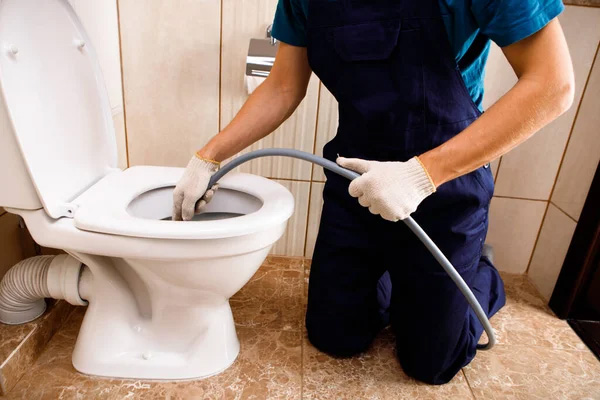
A tenant call about a blocked drain is one of those landlord situations that needs an immediate response — not tomorrow, not after the weekend. In Blackpool’s densely tenanted FY1, FY2 and FY3 postcodes, where Victorian terraced rental properties far outnumber modern builds, blocked drains are among the most frequent maintenance issues landlords face. Getting it wrong — either too slowly or with the wrong contractor — creates legal exposure, unhappy tenants and recurring costs.
This guide covers your legal obligations, how to set up a fast-response drainage plan across your portfolio, and how to reduce the blockage frequency that makes drain emergencies such a regular feature of managing older Blackpool rental stock.
Meeting Your Legal Obligations for Tenant Maintenance
Drain maintenance in rental properties is not a grey area in English landlord law. The obligations are clear — and so are the consequences of failing to meet them.
The legislative framework
Requires landlords to keep in repair and proper working order all installations for the supply of water, gas, electricity, sanitation and drainage. This explicitly covers drain pipes, waste pipes and inspection chambers.
Requires rental properties to be fit for human habitation at the start of and throughout the tenancy. A blocked drain rendering toilets or sinks unusable directly engages this Act.
Blackpool Council environmental health officers can inspect rental properties and issue improvement notices where drainage failures create a hazard. Persistent failures can result in civil penalty notices.
Landlords can claim against a deposit for tenant-caused blockages — but only with documented evidence of tenant fault. A CCTV survey report is the standard form of evidence accepted by deposit scheme adjudicators.
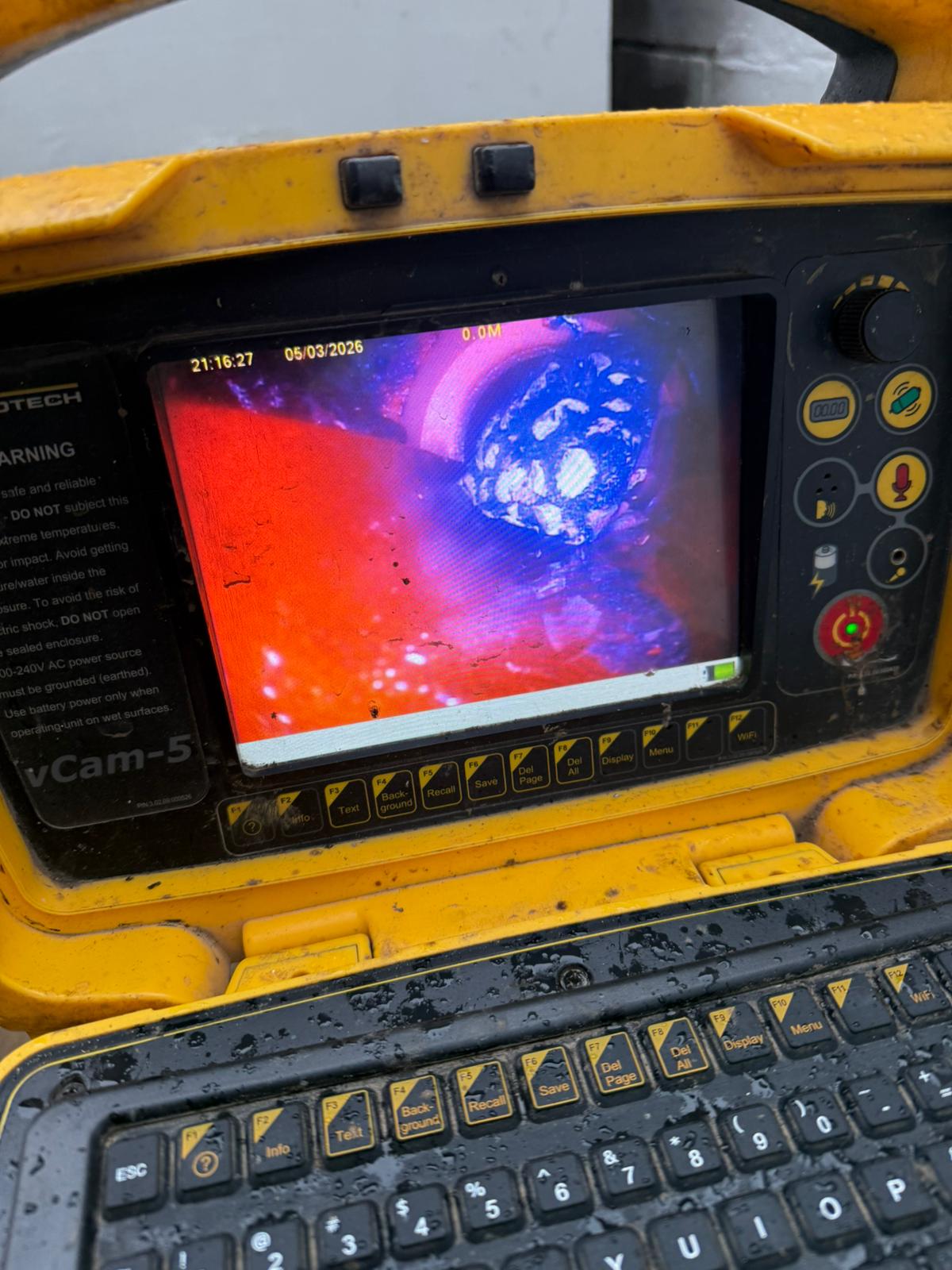
In older Blackpool rental stock, blocked drains are one of the most frequent maintenance emergencies — and one of the most legally time-sensitive.
Who pays — landlord or tenant?
The starting position is that the landlord pays. The drain system is a structural element of the property that the landlord is obligated to maintain. However, where a blockage is caused by deliberate or negligent tenant misuse — flushing wet wipes, sanitary products or other non-flushable items — the landlord may have grounds to recover the cost from the tenant’s deposit.
The key word is documented. Deposit scheme adjudicators require evidence of the cause, not just the landlord’s assertion. A CCTV drain survey carried out immediately after clearing the blockage provides a photographic and video record of what was in the pipe — the only reliable form of evidence for deposit disputes involving drainage.
Implementing a Fast-Response 24/7 Plan for Your Portfolio
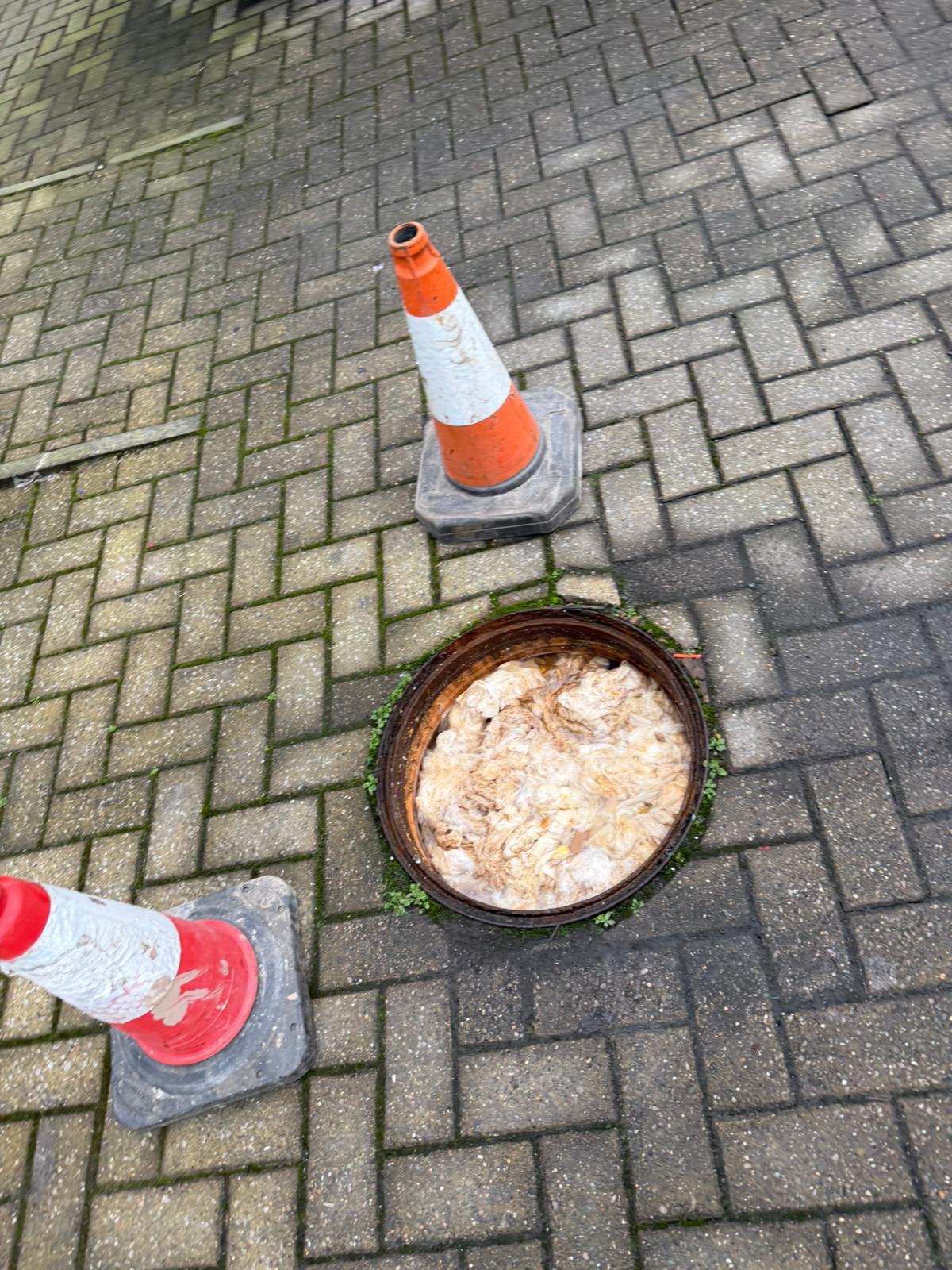
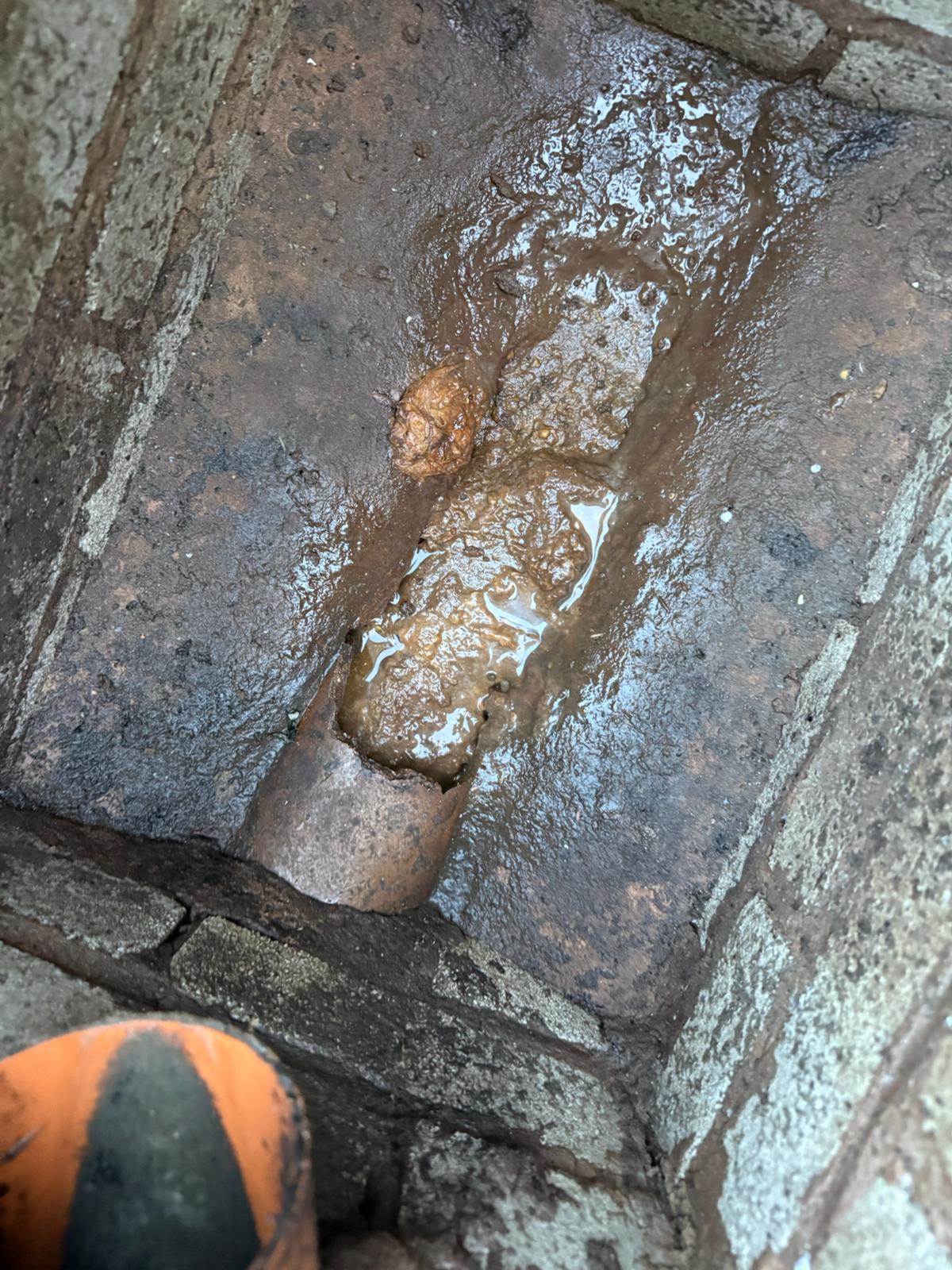
Drain emergencies in Blackpool rental properties rarely happen at convenient times — having a 24/7 local contractor in place before it happens is the only reliable solution.
The landlords who manage drain emergencies most effectively are the ones who have a plan in place before the phone rings at 10pm. Reactive searching for a contractor in the middle of an emergency leads to slower response times, higher costs and more tenant distress than necessary.
Building your fast-response drainage plan
Reducing Tenant-Caused Blockages in Older Rental Properties
Even with the best fast-response plan in place, the most cost-effective strategy is reducing how often emergency calls happen in the first place. Older Blackpool rental properties in FY1, FY2 and FY3 are structurally more susceptible to blockages than modern builds — but tenant behaviour is also a significant contributing factor, and that is something landlords can influence.
Why older Blackpool rental stock blocks more frequently
The terraced rental properties that dominate FY1, FY2 and FY3 were built between roughly 1880 and 1930. Their original clay drain systems were designed for the domestic water use patterns of that era — significantly lower than modern usage. High-occupancy rental use places demands on these systems they were never designed to handle, and the rough internal surface of older clay pipe accumulates fat and scale far faster than modern smooth-bore plastic.
The result is that a drain that might go years without a problem in a privately owned property with two occupants can block every few months in a high-occupancy HMO or student let. Our fat and grease removal service is designed specifically for this type of recurring build-up in older properties.
What tenants flush that causes the most blockages
The single biggest cause of blockages in Blackpool rental properties — by a significant margin — is items being flushed that should not be. The most common offenders:
- Wet wipes — including products marketed as “flushable,” which do not break down in drain systems
- Sanitary products — tampons, pads and applicators
- Cotton wool and cotton buds
- Excessive toilet paper — particularly in shared bathrooms where multiple rolls are used daily
- Cooking fat and grease — poured down kitchen sinks and solidifying in the pipe
- Food debris — particularly from properties without sink waste traps
Practical steps to reduce blockage frequency
- Include a written drain policy in your tenancy agreement and welcome pack — clearly listing what must not be flushed or poured down drains
- Install and maintain shower and bath drain guards to catch hair and debris
- Fit sink waste traps in kitchens to catch food debris before it enters the drain
- Provide a clearly labelled bathroom bin in each bathroom — removing the excuse that there was nowhere to put non-flushable items
- Display a “what not to flush” notice near toilets — particularly in HMOs and shared bathrooms
- Schedule annual preventive drain jetting to remove build-up before it becomes a blockage
- Carry out a CCTV baseline survey at the start of each tenancy to document the condition of the drain system before new tenants move in
For landlords managing HMOs or larger portfolios, a commercial drainage maintenance contract provides planned preventive maintenance across multiple properties, reducing emergency call-out frequency and providing documented condition records for all properties in the portfolio.
The Homes (Fitness for Human Habitation) Act 2018 places ongoing obligations on landlords to maintain drainage — proactive maintenance is not just cheaper than reactive emergency response, it is part of meeting your legal duty of care to tenants throughout the tenancy.
Stressed About an Emergency Tenant Call in Blackpool?
We are the Fylde Coast’s localised drainage experts — covering FY1, FY2 and FY3 with immediate response, 24 hours a day. Every commercial and landlord unblocking job includes a FREE CCTV Validation Survey to document the cause and confirm the pipe is clear — giving you everything you need for tenant communications and deposit disputes.
Register Your Portfolio Emergency Unblocking 07903 021120 — 24/7 Landlord LineFY1 • FY2 • FY3 • All Blackpool Postcodes • Free CCTV for Landlord Clients
