
Chemical vs. Mechanical Drain Unblocking: Does Sink Unblocker Actually Work?
It is a common scenario: the kitchen sink is backing up, or the toilet water is sitting dangerously high. The first instinct is often a quick trip to the supermarket to grab a bottle of heavy-duty sink unblocker or toilet unblocker. It’s cheap, it’s accessible, and the adverts make it look like an instant fix.
However, as drainage specialists, we spend a significant amount of our time fixing problems that “liquid gold” failed to solve—or worse, made significantly more expensive to repair. Here is the reality of the Chemical vs. Mechanical showdown.
The Chemical Approach: A Temporary Fix
Most supermarket drain cleaners use high concentrations of sodium hydroxide (caustic soda) or sulphuric acid. They are designed to create a chemical reaction that generates heat to melt grease, fat, and hair.
The Pros:
- Convenience: Readily available at any local hardware store or supermarket.
- Low Initial Cost: Usually under £10 per bottle.
The Cons:
- Corrosive Nature: Frequent use can weaken older PVC pipes and damage the rubber seals in your plumbing system.
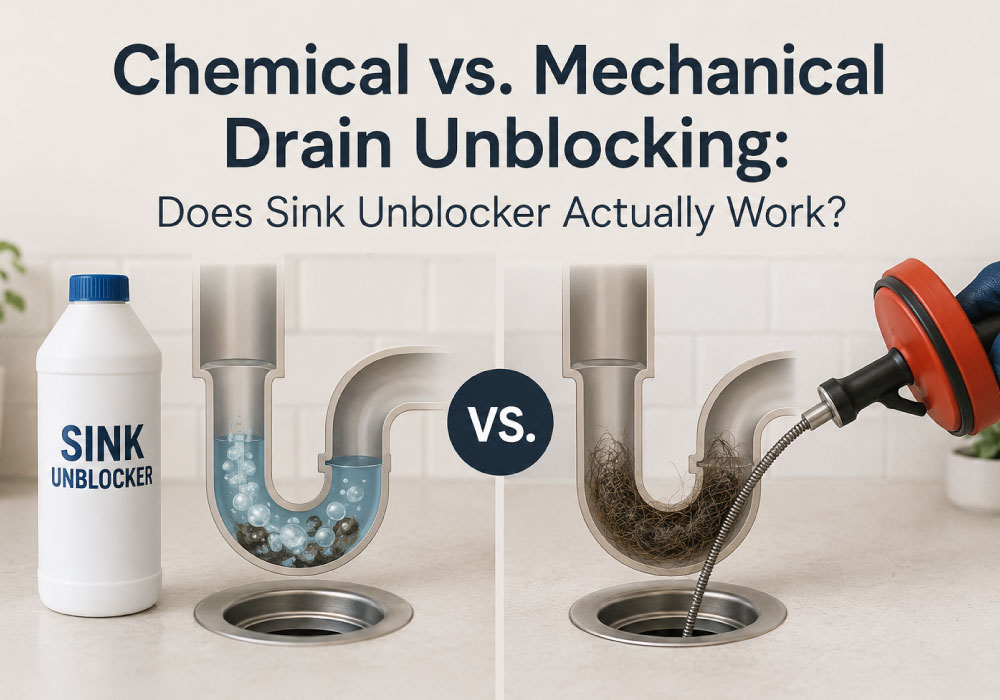
- The “Tunneling” Effect: Chemicals often just eat a small hole through a blockage. While the water may start to drain slowly, the structural blockage remains, meaning the pipe will likely block again within days.
- Safety Risks: If the chemical fails and you eventually call a professional, we are then dealing with a pipe full of highly corrosive liquid, which increases the risk of chemical burns and complicates the repair.
The Mechanical Approach: Why We Use Tools, Not Liquids
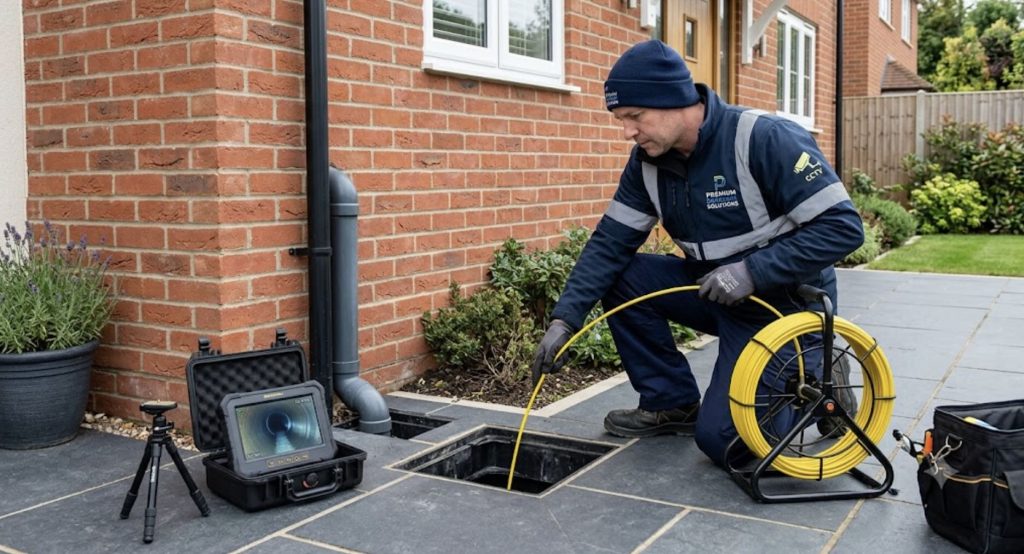
When we refer to “mechanical” unblocking, we mean using physical force to remove the obstruction entirely. This usually involves high-pressure water jetting or professional-grade toilet augers.
Why It Wins:
- Total Clearance: High-pressure jetting doesn’t just poke a hole; it scours the full diameter of the pipe, removing the “fatbergs” and scale that a sink unblocker simply cannot dissolve.
- Safe for Pipework: Water is non-corrosive. It will not eat away at your pipework, destroy the joints, or damage the glaze on your ceramic fixtures.
- Environmental Impact: No harsh chemicals are introduced into the local wastewater system. For more on UK water standards, you can check the Environment Agency guidelines.
The Verdict: DIY vs. Specialist
If you have a slow-draining kitchen sink caused by a very light build-up of soap scum, a mild chemical cleaner might offer a short-term solution. But if you have a complete standing-water blockage, you are likely wasting your money.
In many cases, the cost of multiple bottles of premium unblocker over a few weeks actually exceeds our fixed-price unblocking fee. By calling a professional, you get a long-term guarantee of flow rather than a temporary fix.
What Should You Do Next?
Before you reach for the chemicals, try a simple plunger or a mixture of baking soda and vinegar for very light clogs. If that doesn’t work, skip the supermarket aisle. Pouring more chemicals down a total blockage is often ineffective and potentially damaging.
Dealing with a stubborn blockage?
Don’t risk your pipes with corrosive acids. Contact Drainage Experts today for a professional mechanical clear that actually lasts.
Call 07903 021120
Email: info@drainage-experts.co.uk
Visit Us: 99 Breck Road, Poulton-le-Fylde, FY6 7HJ
Online: Book a Service Online