
If you have noticed tiny, fuzzy, moth-like insects hovering around your bathroom mirrors, kitchen sinks, or shower enclosures, you are dealing with an infestation of Psychodidae—commonly known as drain flies or sewer gnats in Blackpool. These persistent pests are incredibly frustrating because typical insect sprays and DIY hacks rarely make a dent in their numbers.
Many homeowners across the Fylde Coast spend weeks pouring boiling water, bleach, or caustic chemicals down their waste pipes, only to find the flies returning in greater numbers a few days later. To achieve a permanent solution, you have to look past the surface and understand exactly what attracts them to your plumbing system in the first place.
Why Common DIY Methods Fail Completely
Pouring neat bleach or boiling water down a sink is the most common mistake made when treating drain flies in the bathroom. While this may flush away a handful of adult flies, it does absolutely nothing to eradicate the larvae. The breeding cycle takes place inside a highly resilient, water-resistant gelatinous coating. Liquid treatments simply glide right over this barrier, leaving the eggs perfectly safe underneath.
What Causes Drain Flies? The Science of Biofilm
To understand what causes drain flies, you have to examine the inside of your waste pipework. Over months of continuous usage, hair, skin cells, soap scum, and cooking fats coat the interior walls of your drains. This forms a thick, organic sludge known as a biofilm.
This decomposing organic material is the ultimate ecological sanctuary for sewer gnats. A single female can lay up to 100 eggs at a time directly inside this slime. Within 48 hours, the larvae hatch and feed aggressively on the surrounding biofilm. Because their breathing tubes can pierce through the sludge layer to draw oxygen, they can survive submerged in wastewater for extended periods, making them incredibly difficult to drown or poison.
The Drain Fly Life Cycle
The entire journey from egg to flying adult takes roughly 1 to 3 weeks. Because they reproduce so quickly, a minor drainage hygiene issue can rapidly transform into a full-scale household infestation. If you are constantly swatting these pests away, it means a continuous breeding cycle is actively thriving just inches beneath your sink plug.
When Sewer Gnats Signal a Deeper Structural Failure
While a build-up of soap scum can cause a minor surface breakout, a severe, localized infestation of drain flies is frequently a structural warning sign that something is mechanically wrong with your underground pipeline network.
- Subterranean Pipe Fractures: If an old vitrified clay or modern plastic pipe cracks beneath your floorboards, raw sewage will begin leaking into the surrounding foundation soil. This saturates the ground, creating a massive, hidden breeding field for millions of larvae. The adult flies then travel back up through the structural cracks and enter your living space through floorboard gaps or service ducts.
- Sinking Sub-surface Gullies: As explored in our guide to outside drain overflows, shifted gullies or broken structural traps allow stagnant, stagnant pools of organic water to sit beneath your pathways, attracting flies straight to the building perimeter.
- Failed Internal Seals: Degraded anti-syphon valves or dry U-traps—frequently linked to plumbing issues like a gurgling toilet or air-compression locks—give flies an unrestricted highway directly from the main sewer line into your home.
| Infestation Variable | Domestic Chemical Rinses | Professional Mechanical Resolution |
|---|---|---|
| Biofilm Elimination | Fails to dislodge or break down the thick, hardened organic layer. | High-Pressure Hydro-Jetting completely strips the pipe walls bare. |
| Larvae Eradication | Larvae survive underneath the protective chemical-resistant slime layer. | Mechanical water scouring shears the eggs and larvae from the system instantly. |
| Structural Diagnosis | Zero capability to find hidden pipe breaks under floors or driveways. | An advanced CCTV Drain Survey identifies the exact location of structural cracks. |
| Permanence | Temporary relief for 24-48 hours before new adults hatch. | Seals out entries permanently via trenchless relining and complete line sanitization. |
The Professional Blueprint to Eradicate Drain Flies Permanently
If you want to know how to get rid of drain flies in the UK for good, the solution requires a professional, multi-stage engineering approach rather than retail pest control remedies.
Step 1: High-Pressure Mechanical Hydro-Jetting
To kill the flies, you must completely remove their food supply and breeding habitat. Our engineers deploy specialized, high-pressure water jetting equipment down your waste runs. These units scour the complete internal circumference of your pipes with high-volume, targeted water streams, effortlessly peeling away years of compacted grease, soap biofilm, and scale. No slime means no eggs, breaking the reproductive cycle instantly.
Step 2: CCTV Diagnostics & Trenchless Structural Patching
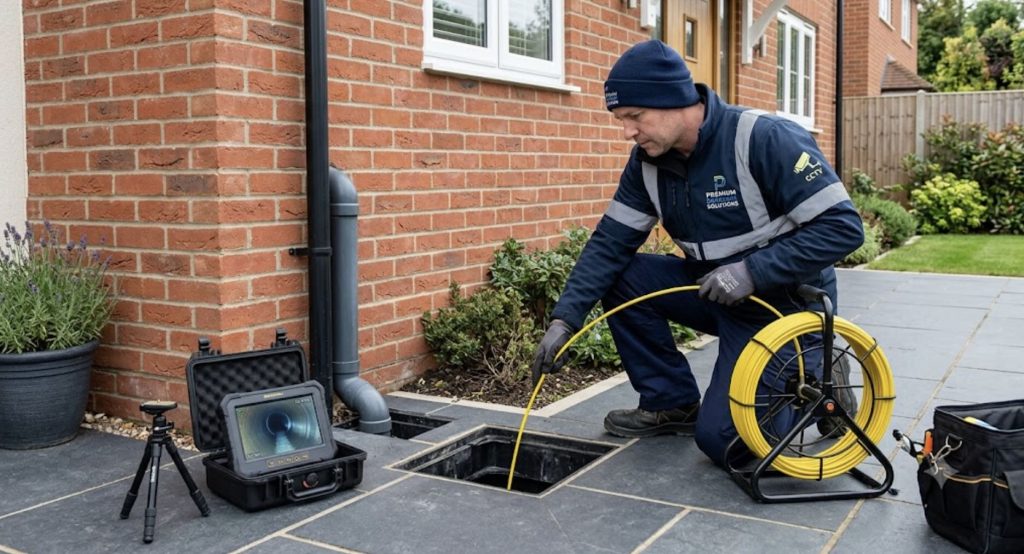
If the infestation persists after a thorough internal clean, we carry out a high-definition CCTV drain survey across your Blackpool property. This allows us to inspect the sub-surface lines for any hidden fractures or displaced joints that might be leaking effluent under your foundations. If a structural fault is detected, we can apply an advanced, no-dig localized patch repair, permanently sealing the pipe wall to block future fly migrations without disrupting your flooring.
Clear the Slime – Banish the Pests for Good
Stop wasting money on ineffective chemicals and temporary fixes. At Drainage Experts, we use commercial-grade hydro-jetting plant equipment and precision camera diagnostics to track down and eliminate drain fly breeding grounds permanently.
Speak Directly to a Drainage Cleanse Specialist: 07903 021120
Fylde Coast Engineering Hub: 99 Breck Road, Poulton-le-Fylde, FY6 7AN
Eliminate Your Infestation: Book a Professional Line Jetting & Structural Pipe Survey