
When planning a home improvement project, most homeowners focus on the visible changes – the new kitchen, extra living space or improved layout. However, one of the most important parts of any building project is hidden beneath the ground: the drainage system.
Whether you are building an extension, converting an existing space or starting a larger renovation project, understanding the condition and location of your drains before work begins can help prevent unexpected delays and additional costs.
Why Drainage Should Be Considered Early
Drainage is often overlooked during the early stages of a building project because it is not something that can be seen once construction is complete. However, underground pipes can have a major impact on how work is planned.
Existing drains may run through areas where new foundations, extensions or landscaping are planned. If these are not identified before construction begins, changes may need to be made once excavation has already started.
By considering drainage at the design stage, homeowners, builders and drainage specialists can work together to find the most practical solution.
Checking Existing Drains Before Construction
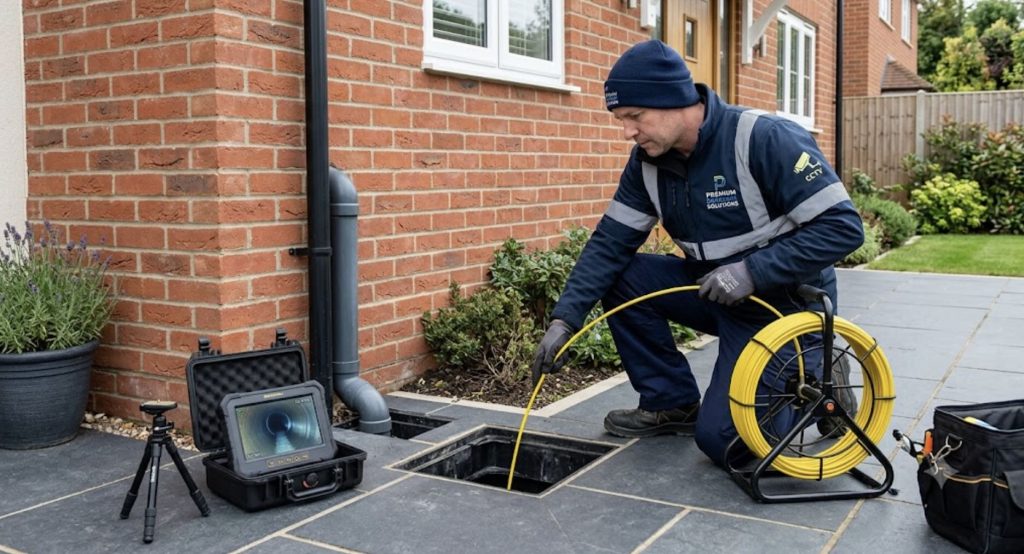
Before starting major building work, it is often worthwhile having the existing drainage system inspected. A CCTV drain survey allows engineers to examine the inside of underground pipes using specialist camera equipment.
This can identify issues that may not be visible from the surface, including:
- Cracked or damaged pipework
- Root intrusion
- Collapsed sections of drain
- Blockages and restricted flow
- Displaced joints
- Old or redundant drainage connections
Identifying these issues early means repairs can be carried out before new foundations, patios or driveways are installed. CCTV surveys are commonly used to diagnose hidden drainage problems without unnecessary excavation. :contentReference[oaicite:1]{index=1}
How Building Work Can Affect Drainage
Construction work often involves excavation, heavy machinery and changes to the layout of a property. These activities can potentially affect existing drainage systems, particularly on older properties where pipes may already be showing signs of wear.
For example, an extension may require drainage alterations to ensure wastewater continues to flow correctly, while new driveways or landscaping may require adjustments to surface water drainage.
Working alongside experienced professionals from the beginning helps ensure drainage requirements are included within the overall building plan. Homeowners arranging improvements with a local Lytham building company should ensure drainage is considered as part of the wider project rather than treated as an afterthought.
Drainage Problems Are Easier to Fix Before Building Starts
Discovering a drainage problem after construction is complete can be frustrating and expensive. Accessing pipes beneath a new extension, patio or driveway may require additional disruption that could have been avoided with early investigation.
In many cases, drainage repairs can be completed before building work begins, allowing the construction project to continue without unexpected interruptions.
Modern repair techniques, such as no-dig drain lining, can also provide solutions where pipework is damaged but excavation would be difficult or disruptive.
Planning Drainage for New Extensions
Extensions and alterations can change how water leaves a property. Rainwater systems, soil pipes and existing connections all need to be considered to ensure the drainage system remains effective.
A well-planned drainage layout helps protect the property from issues such as standing water, flooding and recurring blockages.
This is particularly important when combining older properties with modern improvements, as existing drainage systems may not always have been designed for today’s requirements.
Working With The Right Professionals
A successful building project relies on good communication between everyone involved. Builders, drainage contractors and homeowners should work together to identify potential issues before work begins.
Arranging a drainage inspection early gives everyone a clearer understanding of the site and allows the project to be planned with fewer surprises.
Whether you are extending your home, renovating an older property or planning a new outdoor space, drainage should always be part of the conversation from the start.
Conclusion
Drainage may be hidden underground, but it plays a vital role in the success of any building project. Taking the time to inspect existing drains and plan accordingly can save money, reduce disruption and help ensure your improvements stand the test of time.
Before starting construction work, consider arranging a professional drainage assessment. A little planning before the first foundations are dug can prevent much bigger problems later.