
When homeowners think about improving the outside of their property, rendering is often one of the first upgrades that comes to mind. A fresh render can completely transform the appearance of a house while also helping to protect external walls from the elements. However, one important factor is often overlooked before rendering work begins – the condition of the property’s drainage.
At Drainage Experts NW, we’ve attended countless properties where blocked drains, overflowing gutters or poor surface water drainage have contributed to damp walls and moisture problems. While rendering can provide excellent weather protection, it should never be used to hide issues that originate from faulty drainage.
Water Has to Go Somewhere
If rainwater isn’t draining away correctly, it will naturally find the easiest route. This can lead to standing water around foundations, saturated walls, overflowing gullies and increased moisture levels around the property.
Before investing in new render, it’s worth ensuring that:
- Surface water drains are flowing freely.
- Downpipes discharge correctly.
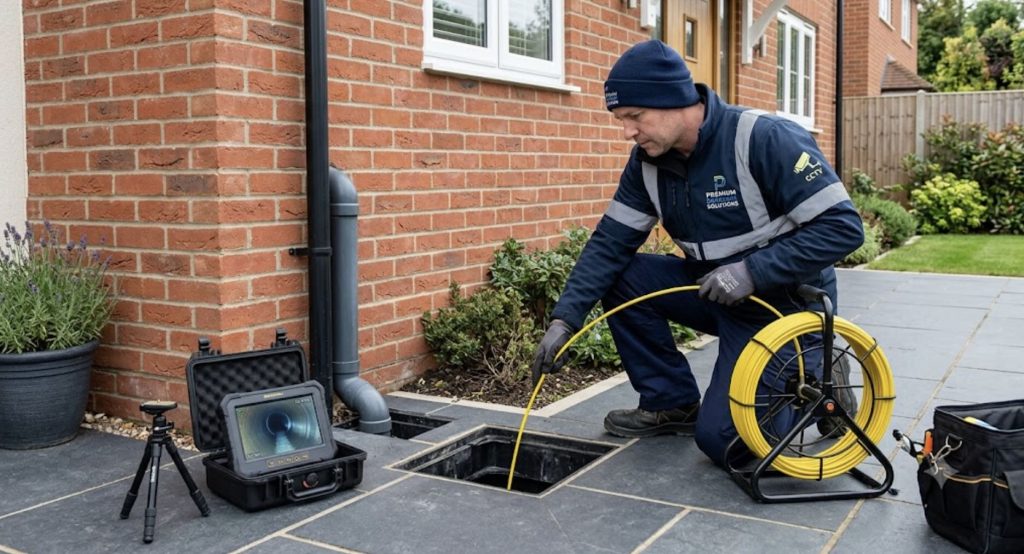
- Underground drains aren’t partially blocked.
- There are no damaged drainage pipes causing water to escape underground.
- Gullies and inspection chambers are functioning properly.
Rendering Isn’t a Cure for Damp
One common misconception is that applying a new render will solve damp problems. In reality, if excess moisture is coming from blocked drains, leaking pipework or poor drainage around the property, those underlying issues need resolving first.
Applying render over walls that are continually being exposed to excessive moisture can shorten the lifespan of the finish and may eventually lead to staining, cracking or other cosmetic issues.
Getting the Order Right
If you’re planning an exterior renovation, the ideal sequence is:
- Inspect and repair any drainage issues.
- Ensure rainwater is being carried safely away from the property.
- Allow affected walls to dry where necessary.
- Carry out rendering work once the underlying moisture issues have been addressed.
This approach helps ensure your investment lasts for many years while reducing the likelihood of future maintenance.
Choosing the Right Rendering Specialist
Once your drainage system is in good condition, selecting an experienced rendering contractor becomes the next step. Whether you’re considering silicone render, monocouche, coloured render or traditional sand and cement finishes, working with a specialist can help you choose the most suitable system for your property.
If you’re based on the Fylde Coast and are looking for more information about exterior rendering options, take a look at Rendering Blackpool, where you’ll find useful guidance on different rendering systems, their benefits and the types of properties they’re best suited to.
Keeping Your Home Protected
Good drainage and quality rendering work hand in hand. One protects your property by moving water away efficiently, while the other provides a durable external finish that shields your walls from the weather.
Addressing drainage issues before rendering can help prevent unnecessary problems further down the line and ensure your home’s exterior continues looking its best for years to come.